
Relapse Prevention Program in Fort Lee, NJ
Recovery does not end when you complete detox or leave a primary addiction treatment program. Returning to everyday life can bring challenges such as stress, cravings, relationship difficulties, and exposure to situations connected to past substance use. A relapse prevention program provides ongoing support and practical tools to help you navigate these challenges while protecting your recovery.
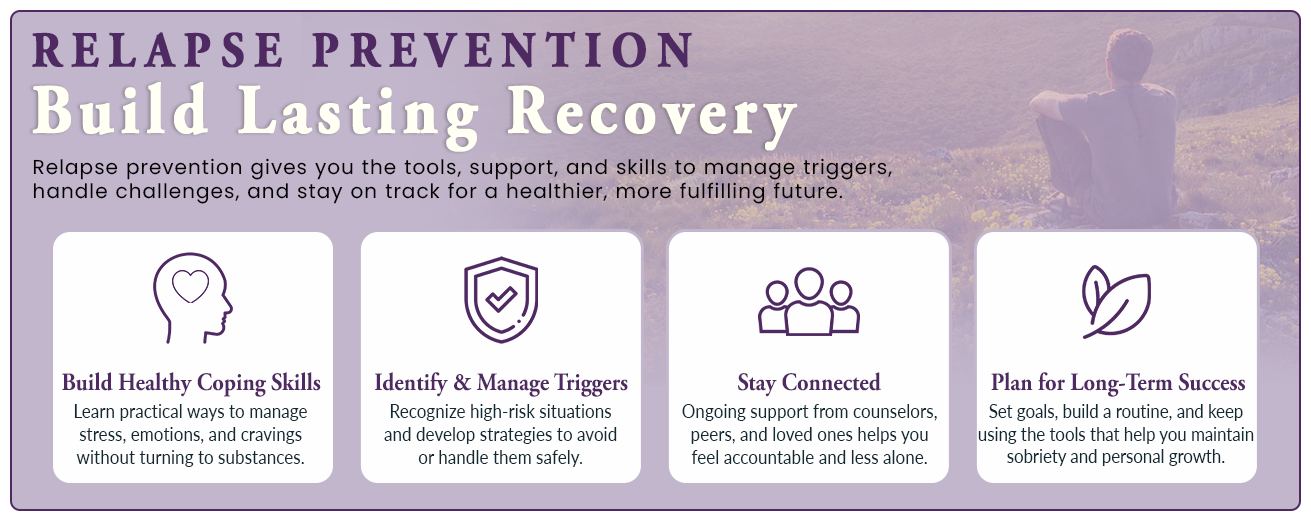
At Fort Lee Recovery Center in Fort Lee, New Jersey, our relapse prevention services help individuals identify personal triggers, develop healthy coping strategies, strengthen support systems, and establish routines that promote long-term sobriety. With personalized treatment and continued clinical support, you can build on the progress made during earlier stages of recovery.
What Is a Relapse Prevention Program?
A relapse prevention program is a structured approach to continuing addiction treatment that helps people recognize and manage factors that may increase their risk of returning to substance use. Rather than focusing only on avoiding drugs or alcohol, relapse prevention addresses the thoughts, emotions, behaviors, and circumstances that can contribute to a return to use.
Relapse is often a process rather than a single event. Emotional distress, isolation, unhealthy thought patterns, and cravings may develop before substance use occurs. Recognizing these warning signs early can give you an opportunity to respond before a difficult situation becomes a crisis.
A personalized relapse prevention plan may include therapy, group counseling, coping skills development, stress management, family support, and strategies for managing cravings.
Don't Wait Any Longer
Request a Callback
Fort Lee Recovery Center is available 24 hours a day to provide quality assistance in finding the best addiction treatment for your needs. Fill out the form to receive a free, confidential callback.
Why Is Relapse Prevention Important?
Long-term recovery involves more than completing detox or maintaining an initial period of sobriety. Everyday responsibilities and unexpected challenges can test your recovery. Relapse prevention gives you practical strategies for managing these experiences without returning to substance use.
Identifying Triggers
Triggers are situations, emotions, people, places, or experiences that can increase cravings. Common triggers include stress, relationship conflict, financial concerns, social pressure, and exposure to environments associated with previous substance use.
Identifying personal triggers allows you to recognize potential risks early and develop strategies for managing them.
Developing Healthy Coping Skills
Healthy coping skills provide alternatives to drugs or alcohol when you experience stress, cravings, or difficult emotions. These may include exercise, mindfulness, journaling, relaxation techniques, problem-solving, or reaching out to supportive people.
Practicing these skills during treatment can make them easier to use when challenges arise outside of treatment.
Strengthening Long-Term Recovery
Relapse prevention reinforces the progress made during primary treatment. Continued therapy, healthy routines, meaningful relationships, and recovery support can help create a lifestyle that supports sobriety.
Building Confidence and Independence
Learning how to manage cravings, communicate effectively, solve problems, and make healthy decisions can increase confidence. Over time, these skills can help you manage challenges more independently while maintaining appropriate support.
Who Can Benefit From Relapse Prevention Treatment?
Relapse prevention can benefit people at many stages of recovery. It is not limited to individuals who have experienced a relapse.
Individuals Completing Medical Detox
Detox addresses the immediate physical effects of stopping substance use, but it is only one part of recovery. Relapse prevention provides continued support as you address behavioral patterns and emotional challenges.
Clients Transitioning From Residential Treatment
Returning home after residential treatment can be challenging. Relapse prevention provides structure and accountability as you resume work, school, family responsibilities, and other daily activities.
People Participating in Outpatient Treatment
Outpatient treatment allows individuals to receive professional support while managing responsibilities outside treatment. Relapse prevention skills help you apply recovery strategies to real-world situations.
Individuals With Co-Occurring Mental Health Conditions
Anxiety, depression, trauma, and other mental health concerns can affect recovery when left untreated. An integrated approach can address both substance use and mental health needs.
What to Expect From a Relapse Prevention Program
Relapse prevention treatment should reflect your history, circumstances, strengths, and goals. At Fort Lee Recovery Center, treatment begins with an assessment to help determine which services and strategies may be appropriate for you.
Comprehensive Clinical Assessment
Your treatment team evaluates your substance use history, mental health needs, current challenges, strengths, and recovery goals. This information helps guide your treatment plan.
Individualized Relapse Prevention Plan
Your plan provides a practical framework for maintaining recovery. It may identify personal triggers, warning signs, coping strategies, support contacts, and steps to take if cravings become difficult to manage.
Identifying Personal Relapse Triggers
Triggers differ from person to person. Treatment may explore emotional triggers such as anger or loneliness, environmental triggers such as certain locations, and social triggers such as contact with people who continue to use substances.
Developing Effective Coping Skills
Therapy can help you develop healthier responses to difficult thoughts, emotions, and situations. You may practice cognitive restructuring, problem-solving, and behavioral strategies that support healthier decision-making.
Learning Stress Management Techniques
Stress is a common relapse risk. Breathing exercises, mindfulness, physical activity, and time management can provide healthier ways to manage pressure.
Setting Goals and Monitoring Progress
Recovery goals provide direction and motivation. Regular treatment sessions allow you and your clinical team to evaluate progress, identify challenges, and adjust your strategies when necessary.
Therapies Used in Relapse Prevention Treatment
Evidence-based therapies can help individuals understand factors contributing to substance use while developing skills for maintaining recovery.
Cognitive Behavioral Therapy
Cognitive behavioral therapy (CBT) helps you recognize the connection between thoughts, emotions, and behaviors. Identifying unhelpful thought patterns can make it easier to respond to challenges in ways that support recovery.
Dialectical Behavior Therapy
Dialectical behavior therapy (DBT) focuses on mindfulness, emotional regulation, distress tolerance, and interpersonal effectiveness. These skills may benefit people who experience intense emotions or difficulty managing stress.
Individual Therapy
Individual therapy provides a confidential setting to explore personal experiences, cravings, underlying concerns, and recovery challenges. Your therapist can help you develop strategies that fit your needs.
Group Therapy
Group therapy provides connection and accountability. Sharing experiences with peers can reduce isolation and provide opportunities to learn from others in recovery.
Family Therapy
Addiction can affect family relationships and communication. Family therapy can help loved ones establish healthy boundaries and better understand the recovery process.
Trauma-Informed Care
Many people with substance use disorders have experienced trauma. Trauma-informed therapy emphasizes safety, trust, collaboration, and empowerment while addressing experiences that may contribute to substance use.
Medication Management
Medication management may be appropriate for some individuals with substance use or co-occurring mental health disorders. When clinically appropriate, medications can be incorporated into a broader treatment plan under professional supervision.
Common Relapse Triggers
Understanding personal triggers is an important part of relapse prevention. Common triggers may include:
- Stress and anxiety: Work, financial concerns, and family responsibilities can increase cravings.
- Relationship difficulties: Conflict, grief, and unhealthy relationships can make recovery more challenging.
- Social situations: Being around people who use substances or attending events where drugs or alcohol are present may increase risk.
- Environmental cues: Places, objects, smells, or routines associated with past substance use can trigger cravings.
- Mental health symptoms: Untreated anxiety, depression, trauma, and other conditions can affect recovery.
- Isolation: Losing contact with supportive people can reduce accountability and increase vulnerability.
Recognizing these triggers early allows you to use coping strategies before cravings become more difficult to manage.
Skills You Can Learn Through Relapse Prevention
A strong relapse prevention program focuses on practical skills you can continue using after treatment.
Emotional Regulation
Emotional regulation involves recognizing difficult emotions and responding to them in healthy ways. This can help prevent overwhelming feelings from contributing to impulsive decisions or substance use
Healthy Communication
Effective communication helps you express your needs, establish boundaries, resolve conflicts, and ask for support. These skills can strengthen relationships that contribute to recovery.
Craving Management
Cravings can occur even after a period of sobriety. Treatment can teach strategies such as distraction, mindfulness, urge surfing, and contacting supportive people when cravings arise.
Problem-Solving
Problem-solving skills help you evaluate difficult situations, consider possible solutions, and make decisions that align with your recovery goals.
Mindfulness and Stress Reduction
Mindfulness can help you remain focused on the present instead of becoming overwhelmed by past experiences or future concerns. Breathing exercises and meditation can also support stress management.
Healthy Daily Routines
Consistent routines can provide structure during recovery. Regular sleep, nutritious meals, physical activity, productive activities, and meaningful social connections can support a healthier lifestyle.
Why Choose Fort Lee Recovery Center for Relapse Prevention?
At Fort Lee Recovery Center, we understand that recovery is an ongoing process. Our goal is to provide personalized care that addresses your individual needs while helping you develop skills for continued recovery.
Personalized Treatment Plans
Your recovery plan should reflect your history, challenges, strengths, and goals. Our clinical team works with you to develop treatment strategies appropriate for your needs.
Evidence-Based Therapies
Our treatment approach incorporates evidence-based therapies, including CBT, DBT, individual therapy, group therapy, family therapy, and trauma-informed care when appropriate.
Experienced Clinical Team
Our team includes professionals who understand addiction and co-occurring mental health conditions. You receive guidance and support throughout treatment.
Dual Diagnosis Support
When addiction and mental health conditions occur together, addressing both concerns is important. Our integrated approach can help you manage mental health symptoms while continuing to work toward substance use recovery.
Comprehensive Continuum of Care
Recovery may require different levels of support over time. Fort Lee Recovery Center offers a continuum of care designed to provide appropriate support as your needs change. If you need additional addiction treatment in Fort Lee, NJ, our team can help identify the next appropriate level of care.
Compassionate Recovery Environment
A supportive treatment environment can make it easier to focus on recovery. Our team works to create a welcoming setting where clients can build trust, develop new skills, and work toward meaningful goals.
Relapse Prevention Program FAQs
Can Relapse Prevention Be Used Before Someone Has Relapsed?
Yes. Relapse prevention is designed to be proactive. Learning to recognize warning signs and develop coping strategies before a relapse occurs can help strengthen a person’s recovery plan.
What If My Relapse Triggers Change Over Time?
Triggers can change as your circumstances, relationships, responsibilities, and recovery progress change. Your relapse prevention plan can be reviewed and adjusted to address new challenges.
Does Relapse Prevention Replace Support Groups?
No. Relapse prevention treatment and peer support can complement one another. A treatment team can help you develop individualized strategies, while support groups can provide additional connection and accountability.
Can Family Members Be Involved in Relapse Prevention?
Family involvement may be appropriate depending on your treatment plan and circumstances. Family therapy can help improve communication, establish boundaries, and give loved ones a better understanding of how to support recovery.
What Should I Do If My Cravings Become Difficult to Manage?
Reach out to your treatment team or a trusted support person rather than trying to manage overwhelming cravings alone. Your relapse prevention plan can provide specific steps for handling high-risk situations and getting additional support.
Begin Building a Stronger Recovery With Our Relapse Prevention Program
Long-term recovery requires continued attention, support, and healthy coping strategies. A relapse prevention program can help you prepare for challenges, recognize warning signs, and build practical skills that protect your sobriety.
At Fort Lee Recovery Center in Fort Lee, NJ, our team provides personalized, evidence-based treatment based on your recovery goals and individual needs. Whether you are transitioning from primary treatment or looking for additional support, we can help you determine the next appropriate step.
Contact us today to learn more about our relapse prevention program and begin building a stronger foundation for lasting recovery.